
Summer
On this page, you’ll find some tips on winter mountain safety and avalanches.
Under the menu item Partner & Links you will find websites with further information on the topics of mountain safety, weather and avalanche reports, alpine clubs, route planning, ...
General preventive measures
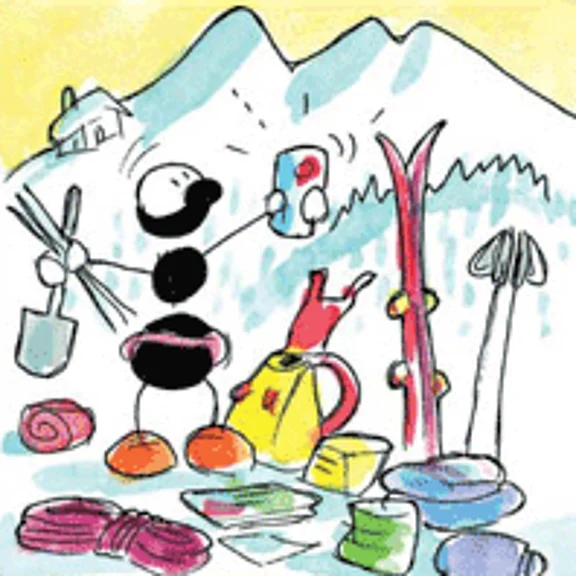
Equipment
Always take your avalanche transceiver (AVS, PIEPS), shovel, probe and your mobile phone with you;
Switch on your avalanche transceiver before you set off and check that it is working;
check that the avalanche transceivers of the other participants are switched on and that they can pick up yours.
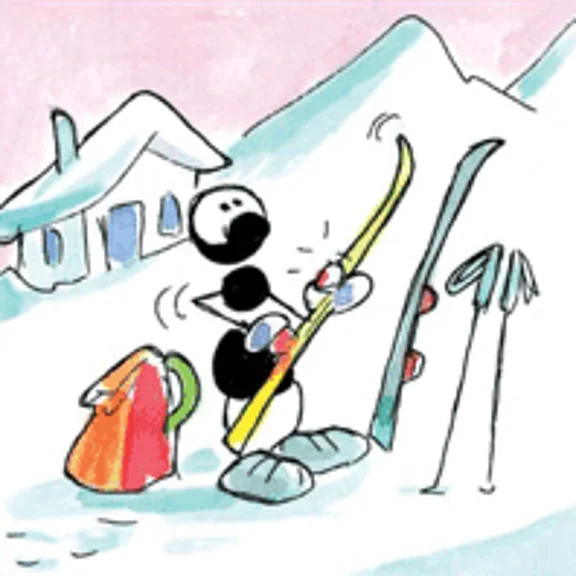
Behaviour of individual participants
Adjust your bindings correctly;
Do not use the retention straps (unless you are in danger of losing them);
do not use the loops on your ski poles;
practise regularly using the avalanche transceiver.
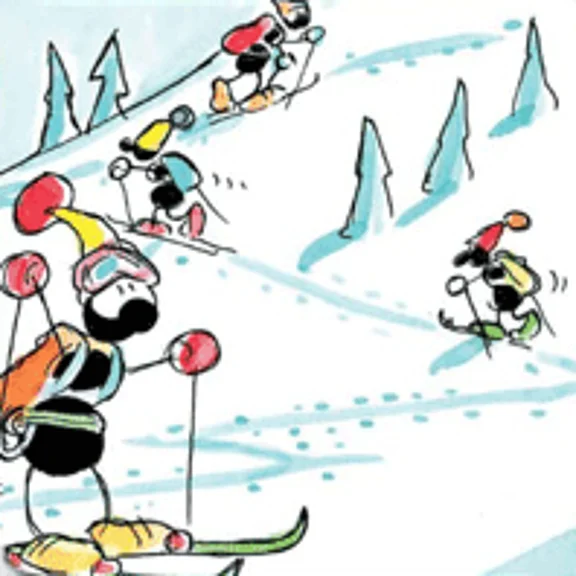
On steep slopes
divide the group into groups of four or five people each;
during the ascent, maintain a distance of approx. 10 metres between individuals;
avoid letting everyone ride down at once;
at critical sections, riders should descend one at a time;
try to ride down at a constant and controlled speed and avoid jumps and falls.
At home
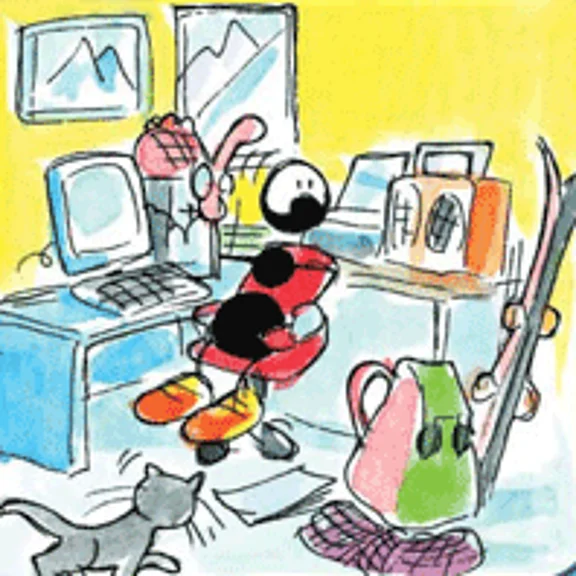
Find out about the weather conditions
keep an eye on the weather forecast throughout the year if possible, and especially during the week before your trip;
check the latest Avalanche Report.
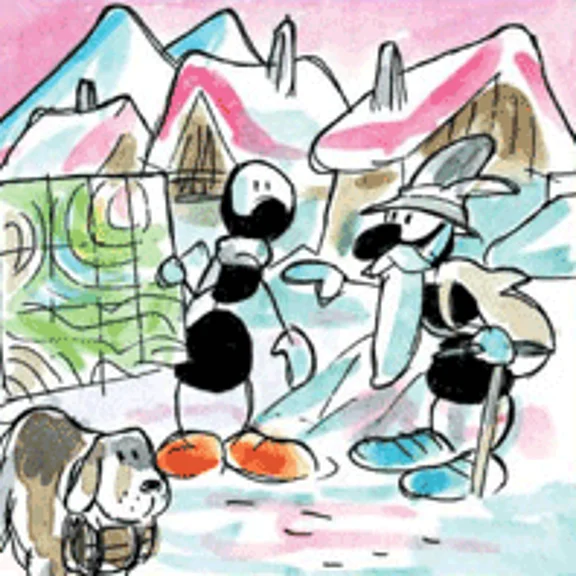
Plan your route
study the route on the map and identify any key sections;
seek advice from experts (mountain guides, hut wardens, mountain rescue);
identify any alternative routes;
choose a start time;
determine the necessary equipment.
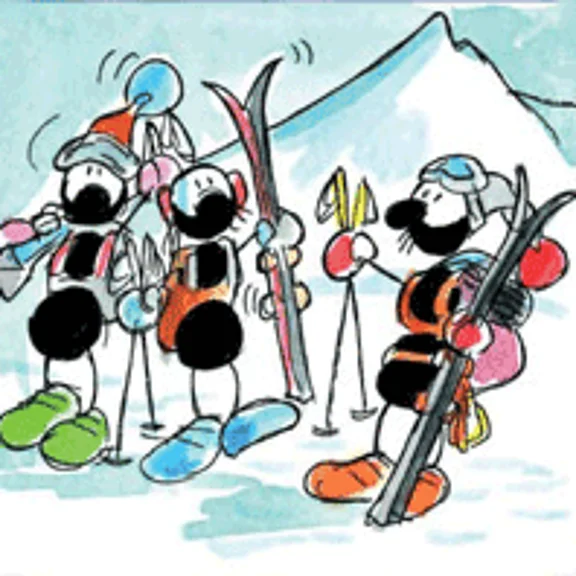
Choose your companions based on the destination
based on experience and technical skills;
based on physical endurance;
based on mental resilience and ability to handle difficult situations;
determine the number of participants.
On site
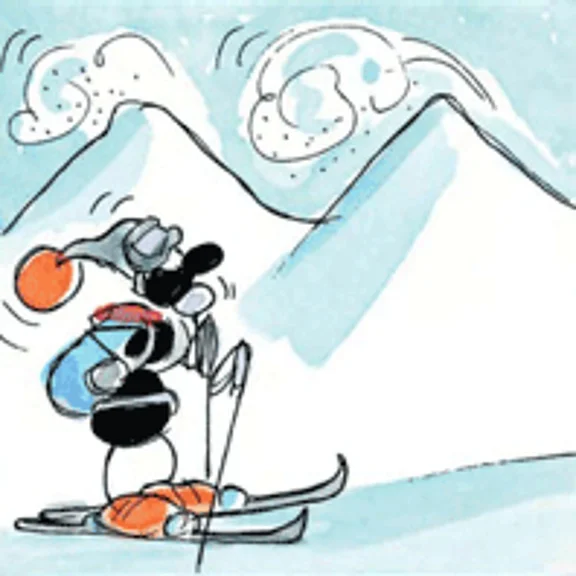
Assess the weather conditions based on
the visibility (in poor visibility, it is difficult to choose a route and determine the slope gradient);
temperature and its expected daily variation;
presence of wind (can be seen on the ridges), determine wind direction and speed.
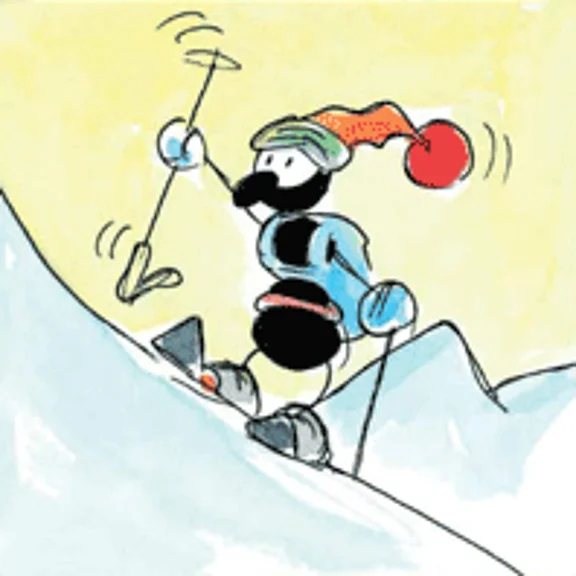
Snowpack
Observe the surface of the snowpack;
the amount of fresh snow (increased risk above 30 cm);
wind-blown ridges and snow drifts;
any fracture lines in the snowpack and check the snow profile from time to time.
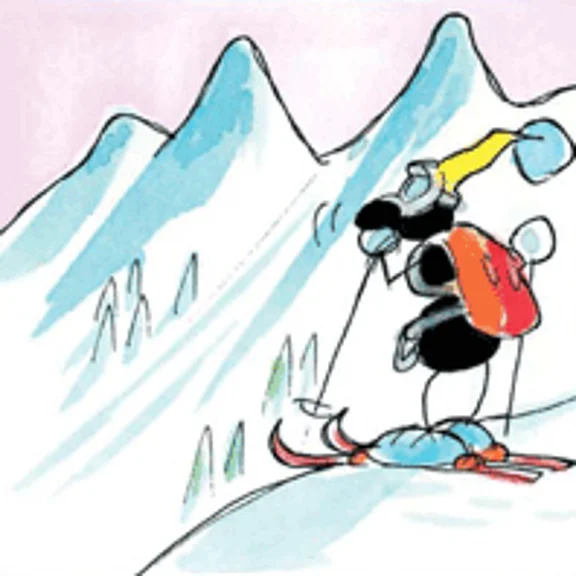
Observe the natural features of the visible stretch
determine the slope orientation;
check for gullies and channels;
note whether and what kind of vegetation is present;
estimate the slope gradient and note the critical points to be avoided.
On a single slope
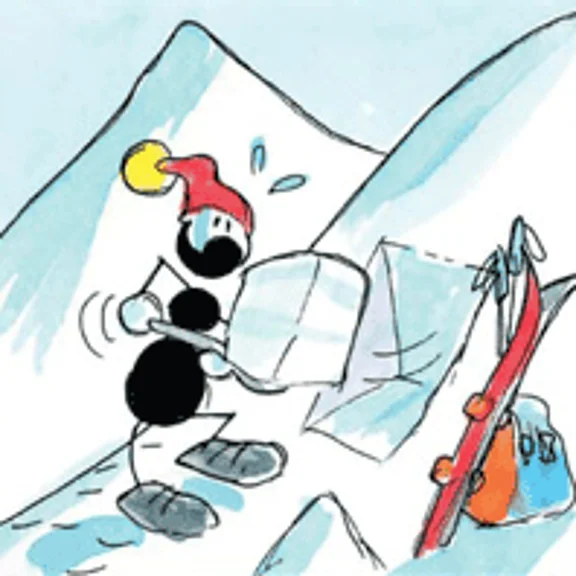
Check the snowpack
Probe with your skis pole to see if there are any weak snow layers;
If necessary, use your shovel to get a better idea of the snow conditions.
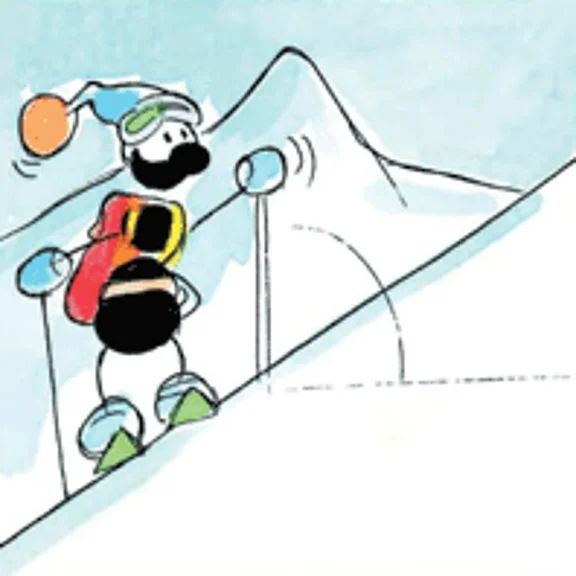
Determine the slope angle
measure it using the skis
(even if you only want to traverse a short slope that is steeper than 30 degrees, you should make sure it is stable).
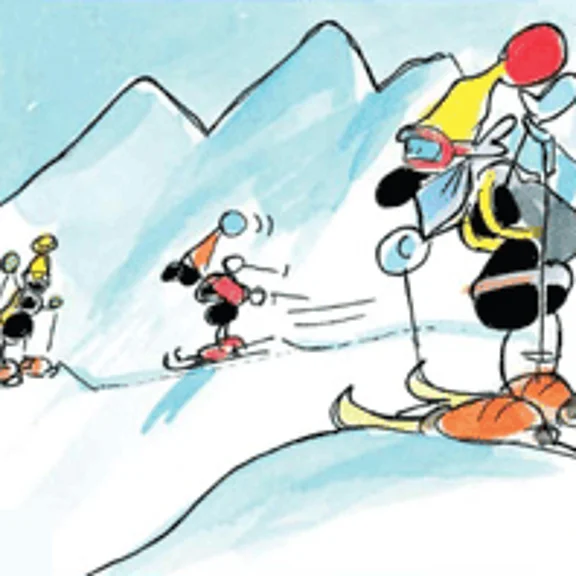
In the event of a critical passage
dress warmly and cover your mouth;
cross the passage one at a time and on the descent;
cross the passage at the highest and narrowest point;
cross the passage at the point where there are no rocks and no precipice below.
We would like to thank:
Luciano Filippi of the Servizio Valanghe Italiano CAI-SVI (text preparation) and to Fabio Vettori (illustrations).
To download the brochure ‘Avalanches, a danger to be avoided’ (in Italian):