
Tips for staying safe in the mountains!

In the event of an accident, dial 112 (one-one-two) and provide the following information:
Where?
...ist the accident location
What?
...happened, how and when
How many?
...are injured
What?
...type of injuries
Who?
...is reporting (name), location, contact details (telephone)
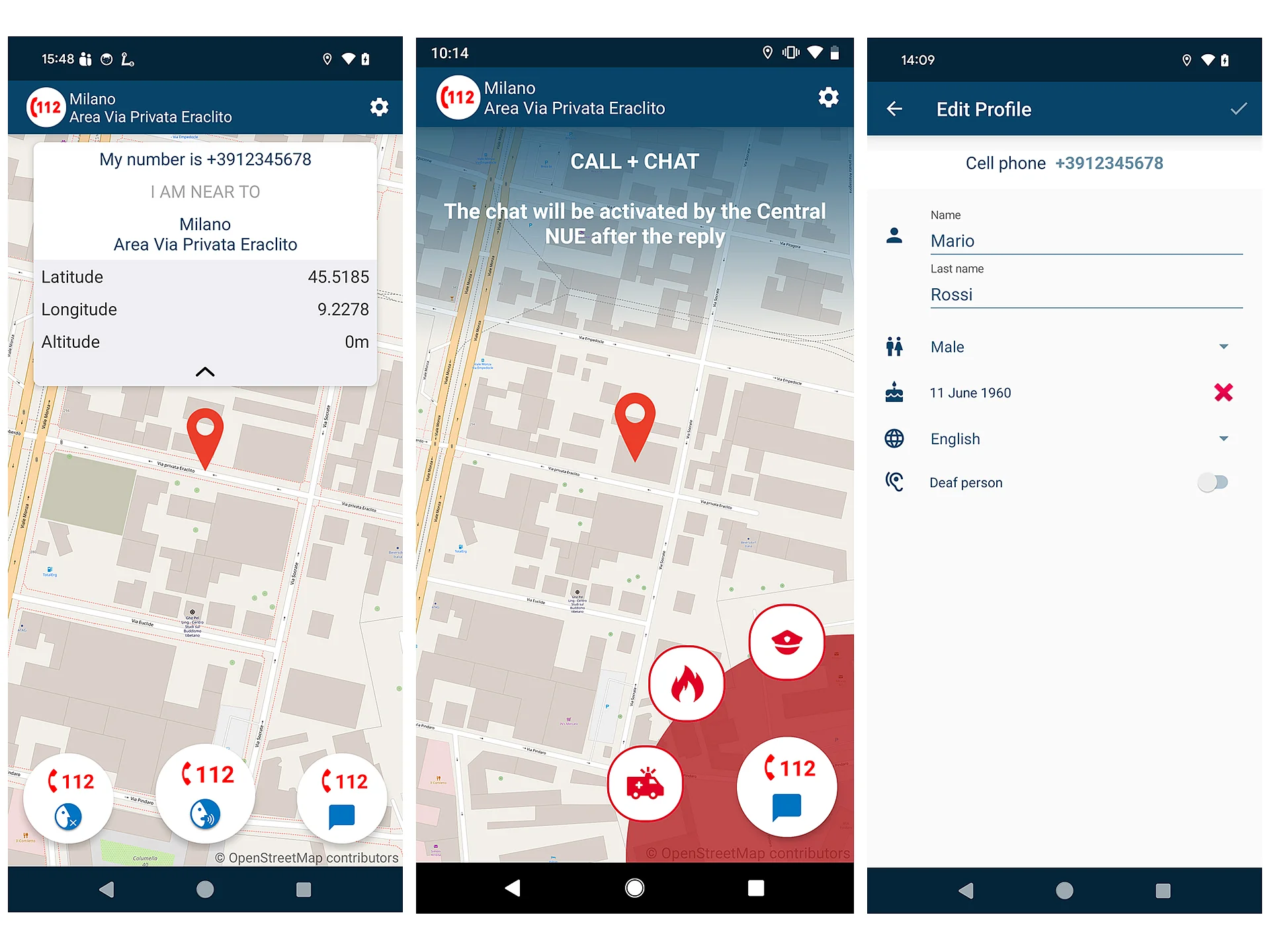
On 17 October 2017, the single European emergency number 112 (one-one-two) was also introduced in South Tyrol.
The emergency numbers 118, 115, 113 and 112 dialled in the Province of Bolzano are automatically redirected to the central emergency call centre in Bolzano.
A person’s exact location can now be determined using the app ‘112 Where ARE U’.
The software can be downloaded free of charge via the following links:


NOT all areas in alpine terrain (particularly narrow valleys and gorges) are covered by mobile phone networks.
If your mobile phone has no signal, you can try using a different network provider (e.g. TIM, VODAFONE, WIND etc):
Switch your mobile phone off and on again, then enter the European emergency number 112 instead of your PIN code. The phone will then search for the strongest network signal and you may now be able to make an emergency call.
International distress signals
Emergency call: 6 audible or visual signals per minute (one signal every 10 seconds), a one-minute pause
Response: 3 audible or visual signals per minute (one signal every 20 seconds), one-minute pause
Help required
If you need help, raise both arms so that your body forms the shape of a Y (Yes).
Meaning: ‘I need help’, ‘land here’, ‘Yes’ (in response to a question from the helicopter pilot or crew).
No help required
If no help is required, you should hold one arm up and one down, so that your body forms the shape of an N (No).
Meaning: ‘no help needed’, ‘do not land’, ‘No’ (in response to a question from the helicopter pilot or crew).